


Beyond the Pitch: How Ethical Branding Attracts Modern Clients
- Mike Whitaker

- Mar 6
- 3 min read
In the modern marketplace, the traditional B2B (Business-to-Business) and B2C (Business-to-Consumer) paradigms are rapidly evolving into something much more personal: Human-to-Human (H2H). Today’s buyers, whether they are procuring enterprise software or choosing a new marketing agency, are looking for more than just a competitive price and a slick feature set. They are looking for shared values.
As we navigate 2026, ethical branding is no longer a peripheral public relations tactic; it is a primary driver of client attraction and long-term retention. But what does it mean to be an "ethical brand" today, and how does giving back actively fill your sales pipeline?
The Shift in Buyer Behavior
The data surrounding purpose-driven purchasing is overwhelming. According to a comprehensive global study by Zeno Group, consumers are four to six times more likely to purchase from, protect, trust, and champion companies with a strong purpose. Furthermore, in the B2B sector, Forrester Research notes that a company's commitment to Corporate Social Responsibility (CSR) and Environmental, Social, and Governance (ESG) initiatives is now a standard criteria in vendor selection processes.
Procurement teams and individual consumers alike are doing their homework. They want to know the story behind the product. They are asking questions about supply chain transparency, labor practices, and what a company does with its profits. When a potential client sees that your organization is dedicated to ethical practices and community uplift, it builds a foundation of trust before the first sales call even takes place.

Moving Past "Cause-Washing"
However, modern clients are also highly discerning. They can easily spot the difference between a genuine commitment to social good and performative "cause-washing." Slapping a charity logo on a website without demonstrating active, continuous engagement can actually damage your brand's credibility.
Ethical branding requires authentic action. It means your company's values are woven into its operational DNA. When you partner with a cause, it shouldn't just be an annual financial transaction; it should be a dynamic relationship that involves your team, your resources, and your time.
Proving Your Values Through Action
One of the most effective ways to demonstrate your ethical commitments to potential clients is through highly visible, hands-on community engagement. This is where organizations like No Child Hungry become invaluable partners in your brand story.
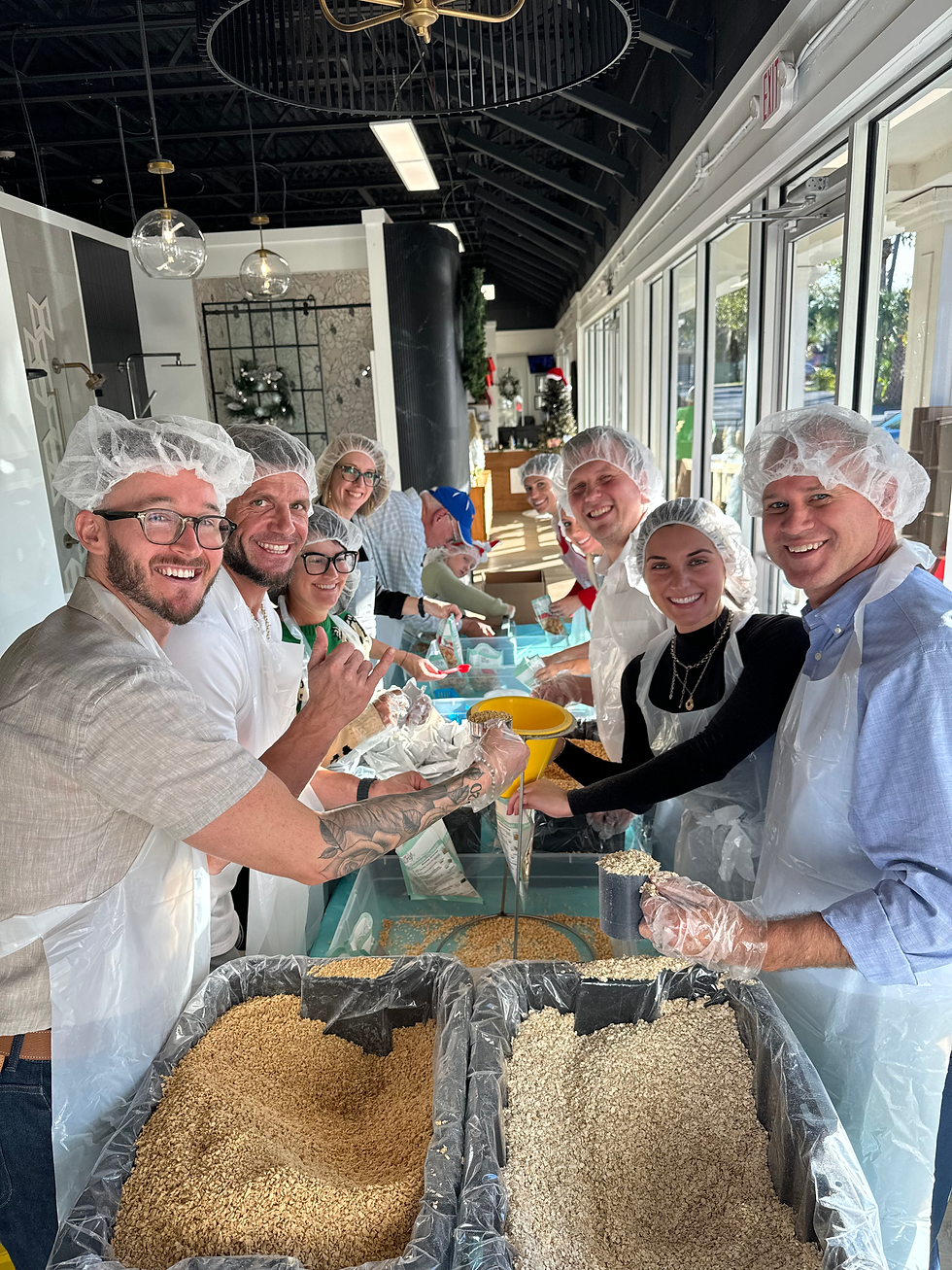
When your company hosts a No Child Hungry meal-packing event, you aren't just writing a check to fight food insecurity; you are mobilizing your workforce to create a tangible solution. When prospective clients see your leadership team and your entry-level employees working shoulder-to-shoulder to pack thousands of meals for vulnerable children, they see a company with profound empathy and integrity.
You can even take this a step further by inviting prospective and current clients to join you in these efforts. Inviting a key prospect to a charity build event rather than a standard golf outing changes the entire dynamic of the relationship. It moves the conversation away from transaction and toward shared humanity.
The Magnetic Power of Doing Good
When your brand becomes synonymous with ethical action, your marketing shifts from "push" to "pull." You no longer have to convince clients that you are a trustworthy partner; your actions speak for themselves. You attract businesses that share your worldview, creating a highly aligned client base that is significantly less likely to churn over minor pricing disputes.
Ultimately, ethical branding is about recognizing the immense privilege and power that businesses hold, and choosing to use that power to leave the world better than you found it. When you partner with reputable charities to tackle global issues like childhood hunger, you send a clear, magnetic message to the market: We care about people. And in business, people want to work with people who care.


it's good